Endometriosis: symptoms, tests, treatment and which doctor to see
What endometriosis is, why painful periods should not be ignored, how it is diagnosed, the treatment options, and its effect on fertility.
Also known as: Adenomyosis; Endo
What endometriosis is
Endometriosis is a long-term condition in which tissue similar to the lining of the womb grows outside the womb — most often on the ovaries, the fallopian tubes, the lining of the pelvis, and sometimes the bowel or bladder. This tissue responds to the monthly hormone cycle, causing inflammation, pain and, over time, scarring that can bind organs together.
It can form cysts on the ovaries called endometriomas, or 'chocolate cysts', because of the old blood inside them. A related condition, adenomyosis, is when similar tissue grows into the muscle wall of the womb; the two often occur together.
Endometriosis is not an infection, it is not cancer, and it is not caused by anything a woman has done. There is no cure yet, but treatment can control pain well and help many women conceive.
Symptoms
Symptoms vary greatly, and the amount of pain does not always match how much endometriosis is present. Common symptoms are:
- Painful periods that stop you from working, studying or doing daily tasks, or that get worse over the years
- Pelvic pain between periods, or lower back pain
- Pain during sex, often deep inside
- Painful bowel movements or pain passing urine, especially during periods
- Heavy periods or bleeding between periods
- Difficulty getting pregnant
- Tiredness, bloating and nausea
In many families, severe period pain is treated as something women must simply bear, and girls miss school or women miss work every month without seeing a doctor. Period pain that disrupts your life is not normal and deserves assessment.
Causes and who is at risk
The exact cause is not known. Theories include menstrual blood flowing backwards through the fallopian tubes into the pelvis, changes in the immune system, and genetic factors. Endometriosis is more common if your mother or sister has it, if your periods started early, if your cycles are short or your periods are long and heavy, and in women who have not had children. It usually improves after menopause.
How it is diagnosed
Diagnosis often takes years because symptoms are dismissed or mistaken for other problems. Your gynaecologist will take a careful history and may use:
- Pelvic examination to feel for tender areas, nodules or cysts
- Transvaginal ultrasound to look for endometriomas and adenomyosis, and sometimes deep disease
- MRI to map deep endometriosis before surgery, particularly near the bowel or bladder
- Laparoscopy — keyhole surgery under general anaesthesia to look inside the pelvis and take a sample, which confirms the diagnosis. Endometriosis seen during laparoscopy can often be treated at the same time.
A normal scan does not rule out endometriosis, because small patches on the pelvic lining do not show on imaging. Many doctors start treatment based on symptoms and examination without waiting for surgery.
Which doctor to see
A gynaecologist diagnoses and treats endometriosis. For deep or complex disease, a gynaecologist who specialises in endometriosis surgery, sometimes working with bowel and urology surgeons, is important. A radiologist experienced in pelvic imaging can make ultrasound and MRI more informative. If you are trying to conceive, a fertility specialist should be involved early.
You can find gynaecologists in Bengaluru or radiologists in Bengaluru on The Doctor Index, each with a registration you can check.
Treatment
Treatment depends on your symptoms, your age, whether you want to become pregnant, and the type and extent of disease. It is often a combination of approaches over time.
Pain relief
Pain relief with anti-inflammatory painkillers (NSAIDs), taken as advised by your doctor, eases period pain for many women. Heat, gentle exercise and pelvic physiotherapy can also help. Ask before taking painkillers regularly, especially if you have stomach or kidney problems.
Hormonal treatment
Hormonal treatment reduces or stops periods, which quietens endometriosis. Options include the combined pill, progestogen tablets such as dienogest, a hormonal coil and, for limited periods, GnRH medicines that induce a temporary menopause-like state. These control symptoms but do not remove existing disease, and symptoms often return when they are stopped. They are not suitable when trying to conceive.
Surgery
Laparoscopic surgery removes or destroys endometriosis patches and cysts and frees scar tissue. It can relieve pain and may improve fertility for some women. Endometriosis can come back after surgery, and removing ovarian cysts can reduce the ovaries' egg reserve, so the decision should be discussed carefully, especially if you hope to have children. Hysterectomy is considered only in selected women who have completed their families and whose symptoms persist.
Help with fertility
Many women with endometriosis conceive naturally. Others need help, which may include surgery, ovulation treatment with insemination, or IVF. Your doctor will advise based on your age, egg reserve, the extent of disease and your partner's tests.
Do not stop or change hormonal treatment on your own, and be cautious about clinics or products promising to 'dissolve' endometriosis.
Living with it: follow-up
- Regular reviews to check that treatment is controlling your pain
- A scan at intervals if you have endometriomas
- A pain and period diary, which helps you and your doctor judge what works
- Support for mood, sleep and relationships — long-term pain affects all of these
- Early discussion with your doctor when you plan a pregnancy
When it is an emergency
Call 112 or 108, or go to the nearest emergency department, for:
- Sudden, severe pelvic or abdominal pain, especially with vomiting, fever or fainting — a cyst may have burst or twisted
- Pain or bleeding with a positive pregnancy test
- Very heavy bleeding with dizziness or fainting
Questions to ask at your appointment
- Could my symptoms be endometriosis or adenomyosis?
- Do I need a scan or an MRI, and who should do it?
- Which treatment would suit me now, and what are the side effects?
- Do I need surgery, and what are the risks to my fertility?
- How will endometriosis affect my chances of pregnancy?
- What should I do if my pain gets worse?
Common questions
Questions people ask
- Is severe period pain normal?
- Mild cramps are common, but period pain that makes you miss school or work, needs regular painkillers or gets worse over the years is not normal. It can be a sign of endometriosis or adenomyosis and is worth seeing a gynaecologist about.
- Can I get pregnant if I have endometriosis?
- Many women with endometriosis conceive naturally. Some find it harder, and treatment such as surgery or IVF can help. If you are trying to conceive, see a doctor early rather than waiting, especially if you are in your mid-thirties or older.
- Does pregnancy cure endometriosis?
- No. Symptoms often ease during pregnancy and breastfeeding because periods stop, but they usually return afterwards. Pregnancy should never be advised as a treatment for endometriosis; it is a personal decision.
- Will endometriosis come back after surgery?
- It can. Surgery removes visible disease and often relieves pain, but endometriosis can return over time. Hormonal treatment after surgery may reduce this risk in women not trying to conceive; your gynaecologist will discuss what suits you.
This condition is usually assessed by a gynaecologist. Every profile shows the doctor’s registration and what has been checked.
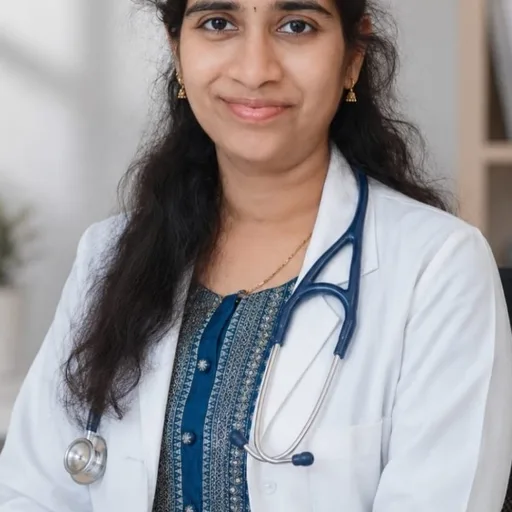
Gynaecologists in Bangalore
A few gynaecologists listed on The Doctor Index. They are shown because of their speciality, not a stated interest in Endometriosis; ask the clinic whether the doctor sees it.


Related conditions
- Ectopic Pregnancy
- High Blood Pressure in Pregnancy
- Miscarriage
- Ovarian Cysts
- Pelvic Inflammatory Disease
- Premenstrual Syndrome
- Uterine Fibroids
- Vaginitis
All obstetrics and gynaecology conditions →
Practical reading
All postsSources
- MedlinePlus, US National Library of Medicine — Endometriosis
- World Health Organization — Endometriosis fact sheet
- MedlinePlus, National Library of Medicine — Endometriosis — Public-domain health-topic summary
Endometriosis: symptoms, tests, treatment and which doctor to see is original text by The Doctor Index; the compiled source draft was used for research. Source: MedlinePlus, National Library of Medicine. Orphadata Science: Free access data from Orphanet. © INSERM 1999; July 2026 data, CC BY 4.0. This product uses the Human Phenotype Ontology (hp/releases/2026-09-01). Only sources listed for this article apply. Source material has been selected and arranged; HPO definitions are reproduced without alteration. No source organisation endorses this compilation. Köhler S et al. The Human Phenotype Ontology project: linking molecular biology and disease through phenotype data. Nucleic Acids Research 2014;42(D1):D966–D974. doi:10.1093/nar/gkt1026.
General information, not advice about your situation. Errors can be reported through the corrections process. Reference TDI-C-0829.